back to Home
Scroll
to Read

Millgrove Stronghold Project:
retrofitting a whole town

Australia's first township-scale resilient building retrofit program.

summary

Something big is coming to Millgrove!

The Millgrove Stronghold Project is Australia's first township-scale resilient building retrofit program.

This incredible collaboration between AMP Foundation, Resilient Building Council, Millgrove Residents Action Group, and The Resilience Canopy has the potential to make the fire-and-flood-prone community one of the most disaster resilient in Australia.

Find out how it came to be, get the lowdown on the project objectives and plan, and discover how you can get involved...

Setting the scene

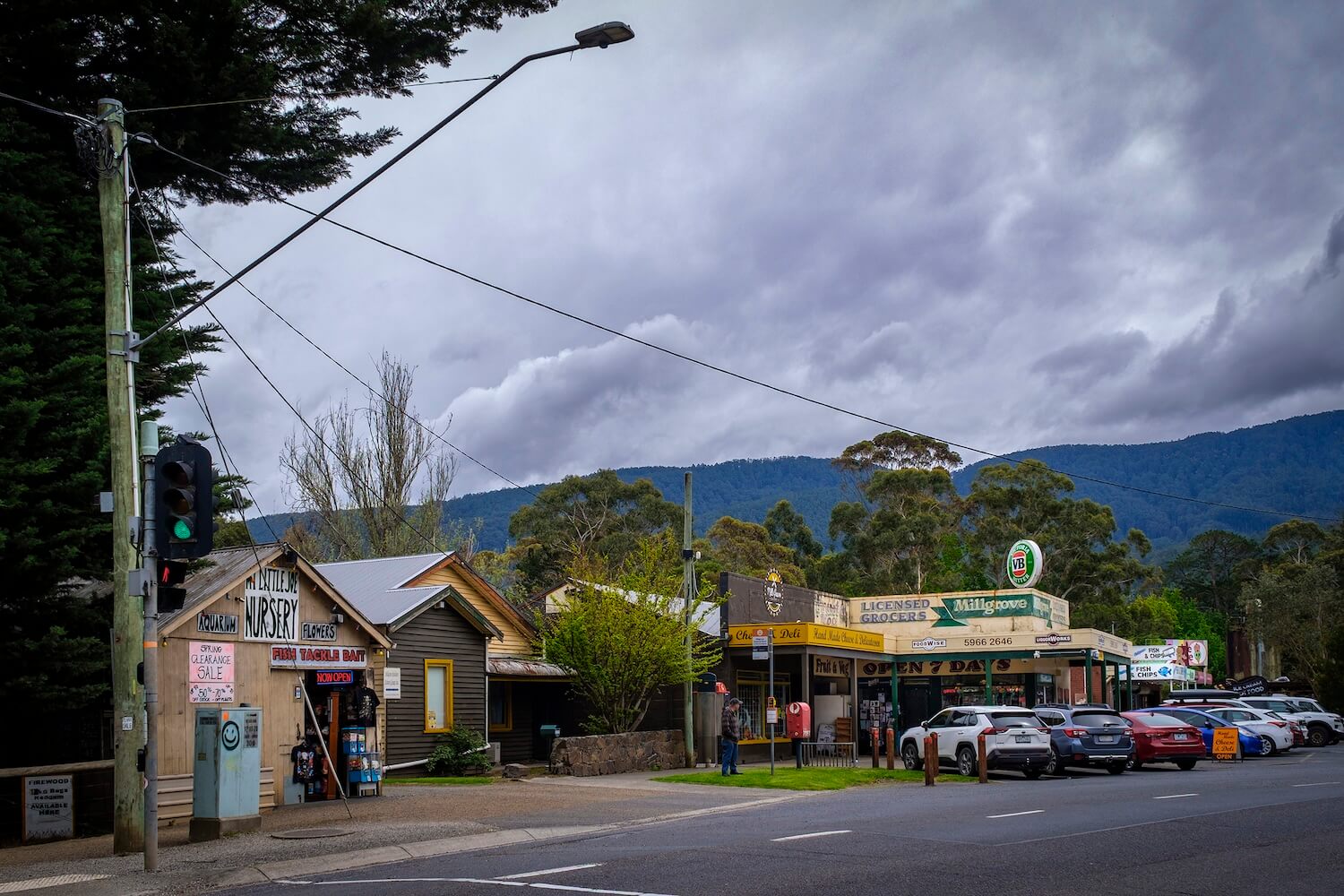
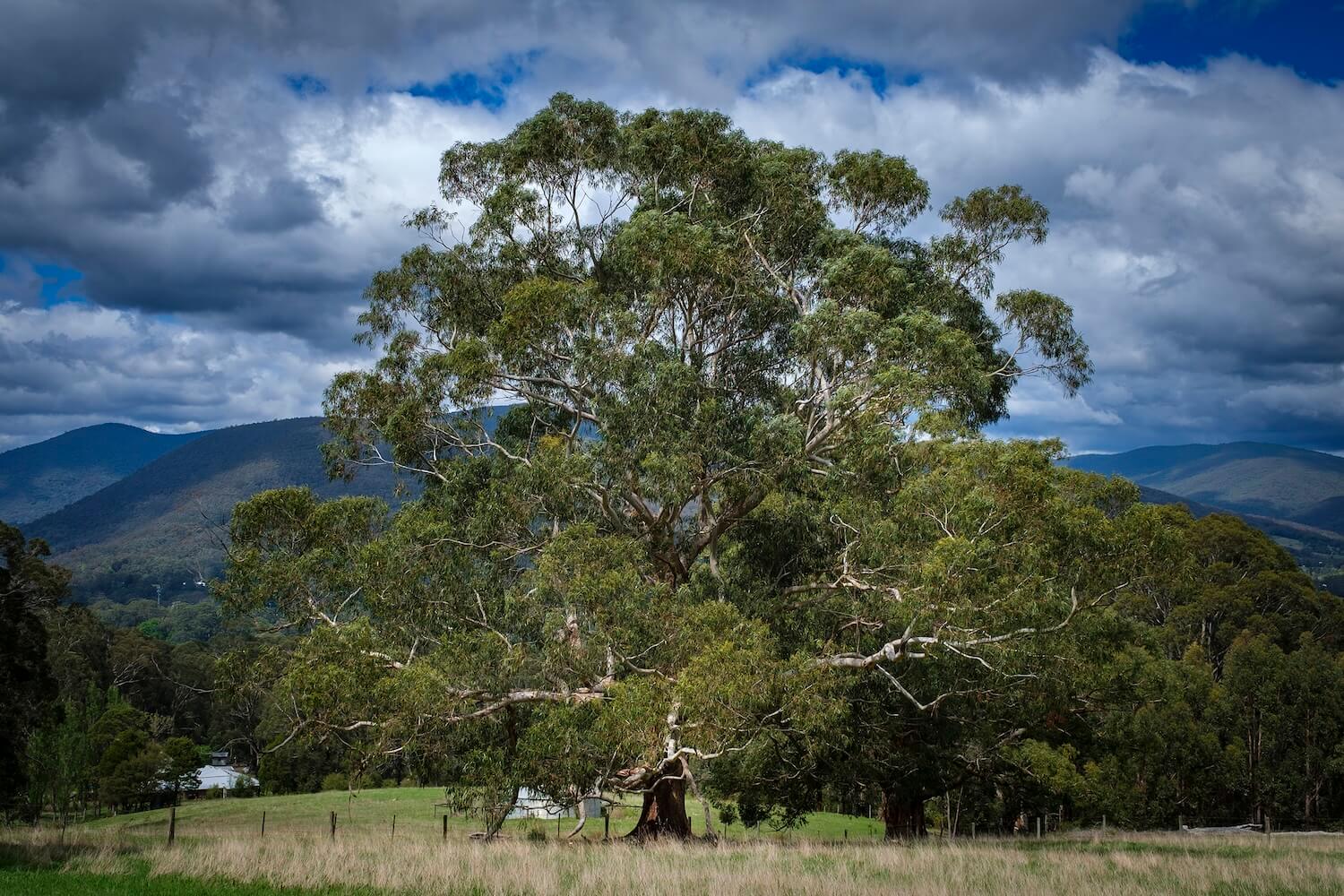
Millgrove, nestled in Victoria's Yarra Valley, is a high-risk area for bushfires, floods, and storms.

It also faces several societal stressors, including residents leaving, culture diminishing, the impacts of tourism, services being too scarce, mental health declining.

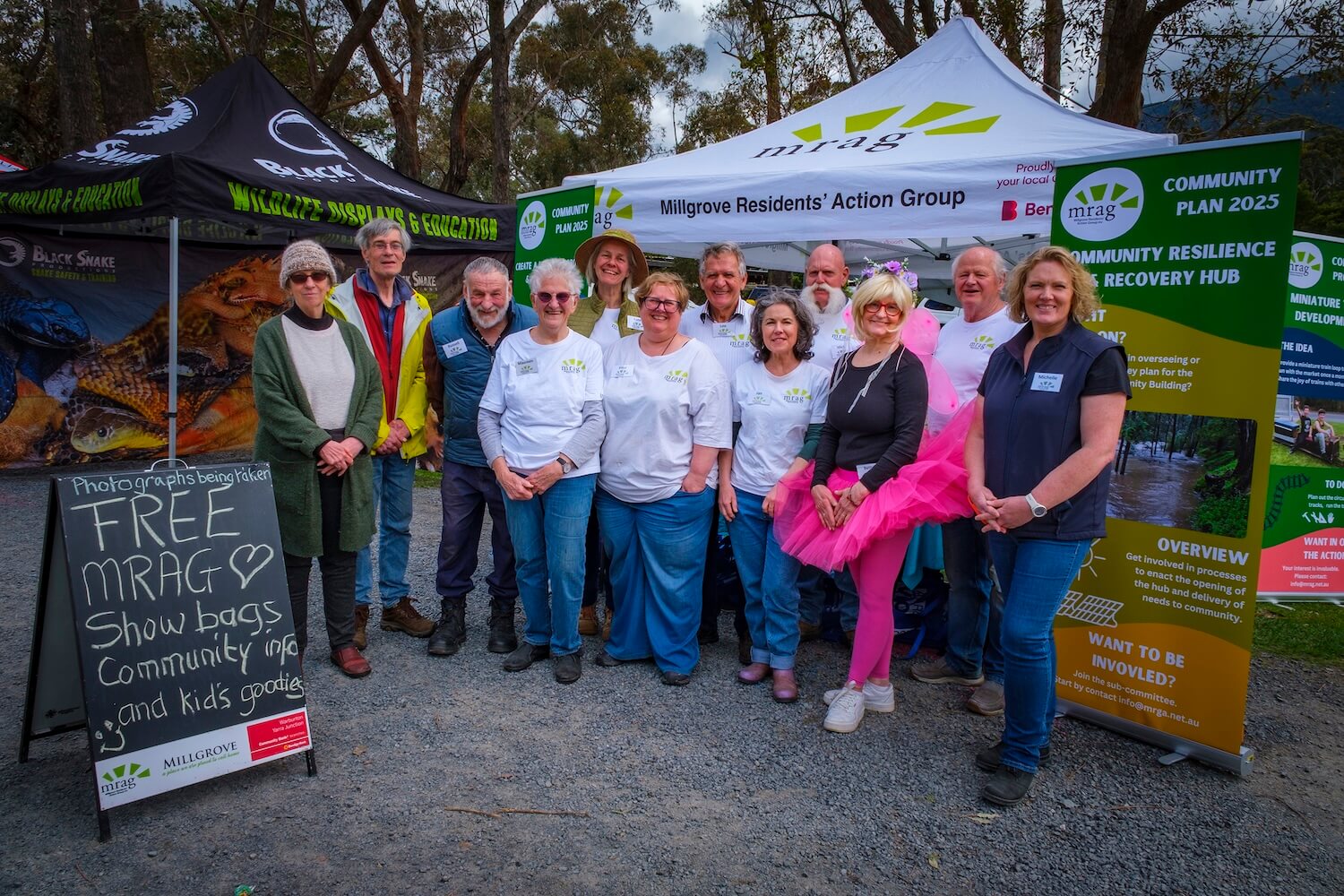
To help overcome these challenges, the Millgrove Residents Action Group (MRAG) began its resilience journey in 2020, with the support of The Resilience Canopy.

Using the Canopy's Six-Step Model and tools like the Minderoo Resilient Communities Framework, the community members hosted deep dive sessions that engaged the broader community, surfaced community resilience priorities, and set up proactive plans to address them.

After much hard work and deliberating, Millgrove released its Resilience Plan in 2023, which contained nine priority projects to help the community thrive.

Since then, MRAG has successfully implemented many of these projects, converting their initial $20k funding into more than $800k (>$1m if you include this project) in the process.  

One notable achievement from Millgrove's Resilience Plan so far is their retrofitting of the Millwarra Primary School and Community Hall with solar panels and a battery, thanks to a generous $277k AusNet grant. This has reduced the energy costs of running the facility and increased resilience to power outages in extreme weather events.

Other successful projects include strengthening phone and internet communications, enhancing roads, trails and their community garden, and hosting a range of vibrant community events, including a popular annual light show.  The Millgrove Stronghold Project is the next cab off Millgrove’s Resilience Plan rank, which lists 'Climate Resilient Properties' as a key priority.

Learn more about Millgrove on their Canopy Community profile, or read our case studies on Millgrove’s emergency preparedness or Millgrove’s growth in other areas here.  

The Stakeholders

The Resilience Canopy does not just guide community groups like MRAG through a resilience building journey. It also connects them with partners who can help turn their ideas into reality.

So, when the AMP Foundation reached out to the Canopy about wanting to fund community projects with tangible outcomes in late 2025, the prospect of supporting Australia's first township-scale resilient building retrofit program in a vulnerable community appealed.

Tapping into its extensive network, the Canopy then contacted the Resilient Building Council, which contributes to thriving, sustainable communities through better housing, about managing the Millgrove Stronghold Project.  

Thus, a dream team was assembled, with:

Funding
Managing
Leading
Facilitating

The Main objectives

Australian disaster management is broken. Communities burn or flood, governments pour millions into recovery, towns rebuild to the same standards, and the cycle repeats. It's costly, it's tragic, and it doesn't have to be this way.  

The Resilience Canopy proposes a complete paradigm shift from recovery to proactive prevention.  

In this case, instead of waiting for disaster to strike (again), we're working with Millgrove to assess and retrofit homes across the entire township, strengthening them against extreme weather events and improving energy efficiency.  

Thus, the overarching project objective is a township-wide retrofit program that will make households in Millgrove more disaster-resilient, and the Millgrove community one of the most disaster-resilient in Australia.

But this isn't just about Millgrove. It's about creating a blueprint that works nationwide!

Millgrove can become a national model for community-level disaster risk reduction, showing other communities an effective way to reduce insurance premiums through improved resilience ratings, and helping to impact policy reform.

Because when Millgrove succeeds, it proves a point: proper evidence + innovative financing + community commitment = a move away from the disaster-recovery cycle and towards building communities that thrive through any future challenge.

The Project Plan

Naturally, a project of this scale requires plenty of legwork and rigorous processes. As such, it has been split into three phases:

Phase 1: Foundation for Transformation – Complete 200 supported self-assessments across Millgrove households.
Phase 2: Impact Investment Development –
Convert Phase 1 assessment data into actionable investment opportunities.
Phase 3: Community-Wide Retrofit Implementation –
Deliver the transformative community-wide resilience upgrades.

Phase 1 aims to deliver 200 supported self-assessments across Millgrove households using the Resilient Building Council's Multi-Hazard Resilience Professional Assessment methodology. The data collected will underpin:

  • A comprehensive baseline of household resilience across the Millgrove township
  • A costed model for the whole-of-community retrofit program
  • A community working bee and street-level fire reduction action plan
  • An investment case to attract insurers, banks, government and impact investors for Phase 2

This first phase is scheduled to take roughly 18 months across five stages:

1. Project Inception
2. Assessor Training and Systems Setup
3. Community Outreach and Onboarding
4. Assessment Delivery and Monitoring
5. Evaluation and Reporting

In short, once the initial details and systems are set up, local assessors will be trained and the broader community engaged. The community will be invited to submit expressions of interest, of which 200 households will be selected, with a focus on the most vulnerable.  

This will be followed by the delivery of multi-hazard and energy efficiency supported self-assessments, which will provide a Resilience Rating to each household along with a personalised retrofit recommendation report.  

Properties suitable for working bee / street-level interventions will be identified, as will local trades and volunteer groups capable of delivering retrofit works.

Crucially, Phase 1 will provide an understanding of the scale of investment required, enabling Millgrove and the Canopy to discuss resilience finance products with investors, insurers, banks and government. The Resilient Building Council has already piloted this with NAB—and participating households saved up to $109,000 in mortgage interest.  

Check back here for regular updates as this exciting project progresses through these three meaningful phases.  

Looking ahead...

Want a slice of the action?

This project will require many hands. If you like what you’ve read and are keen to get involved by providing your expertise, support, or funding, we’d love to hear from you.

Get in touch with us.

Think your community could follow suit?

And if you think your community is ready to embark on projects like this as part of a resilience journey, your community may well benefit from becoming a Canopy Community, and thus, receive invaluable guidance, knowledge and connections from The Resilience Canopy.

We already support dozens of communities to lead their own journeys, ideating then implementing the projects that matter most to them.

Learn more here.

"Take the journey, stay positive and have faith in those who are walking with you."

— MRAG President Maureen