
Intro
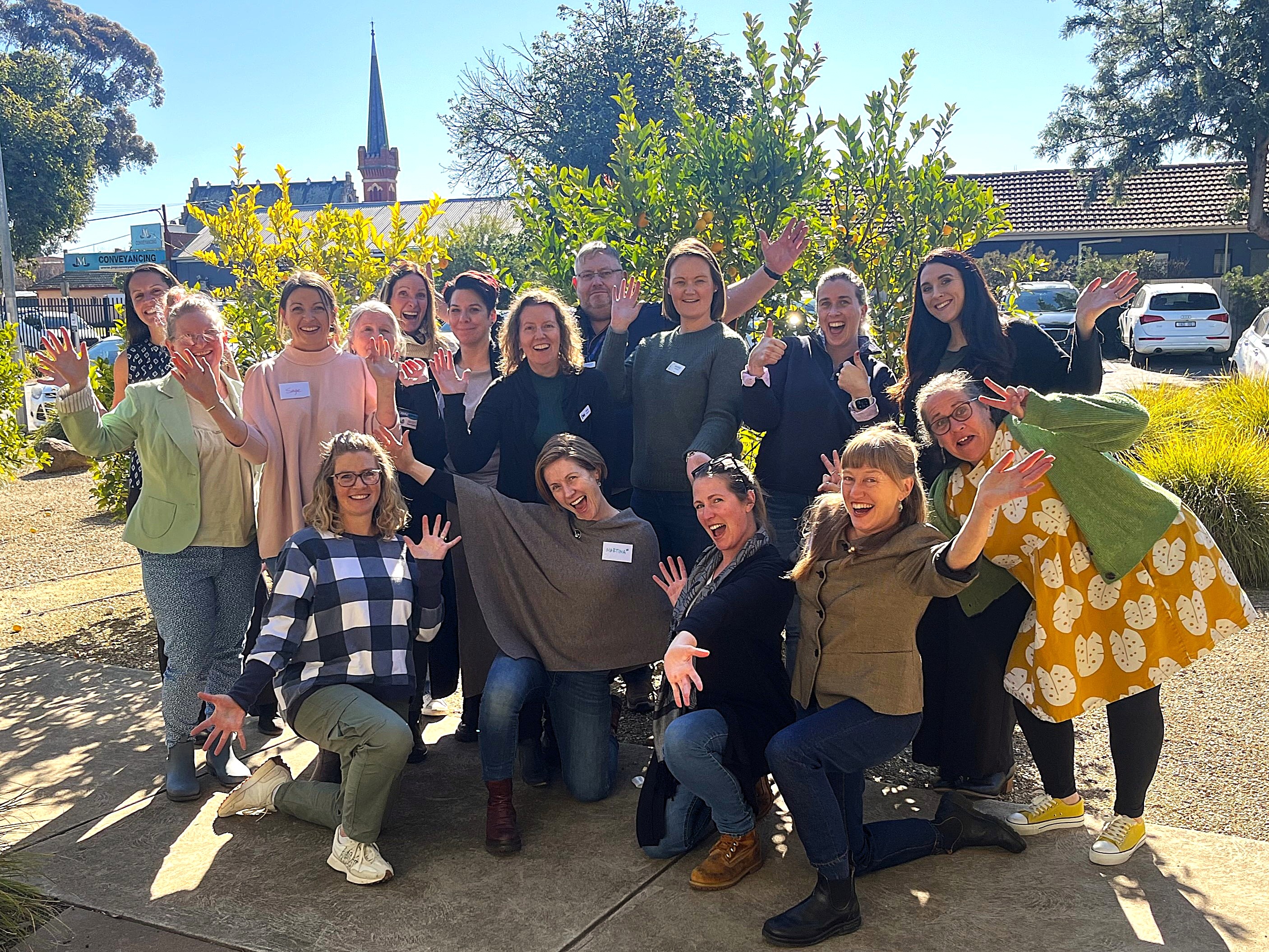
More than 400 people have undertaken The Resilience Canopy’s Practitioner Training. Many of the alumni are actively working with their community groups to help their communities thrive. Meet three of these inspiring community leaders…

More than 400 people have undertaken The Resilience Canopy’s Practitioner Training. Many of the alumni are actively working with their community groups to help their communities thrive. Meet three of these inspiring community leaders…
Luciana was born and raised in Argentina. As an adult, she worked as a journalist in different cities and countries in South America. “I saw firsthand a lot of social injustices, and the first signs of what [we now know] as climate change, with the most vulnerable people living in the most disadvantaged situations, and the government pretending they didn't even exist.”
She vividly recounts seeing abandoned families left to live in cardboard houses on top of a rubbish dump in Ecuador. She has other stories along the same lines.
Very soon after she arrived in Australia with her family in 2011, Luciana began joining community groups and volunteering in and around Point Cook in the City of Wyndham, VIC. To her, it didn’t matter that she could barely speak English – there were people she could connect with and support anyway; this is the Luciana way.


15 years on, Luciana is an exemplar of a local leader in action, someone who dedicates much of her free time to her community.
Her latest project – RAICES Latino Hub – aims to create spaces where traditions thrive, friendships grow, and everyone feels included.
To build this connection, RAICES runs a series of activities. On Sundays, they have a big working group where people contribute through art, play soccer, mingle, drink yerba mate, eat empanadas. It provides a great opportunity for community members to share parts of their cultures and keep speaking their native languages (or learning new ones).
RAICES also organises a hike called Walking and Talking Amigos every second month, exploring local areas through a social and wellness lens.
“People feel connected…with us, with nature, with each other, with themselves. They arrive not knowing what to expect, and they all leave smiling. When we reach the top of the mountain – wow, the faces, the smiles, the contentment that comes into the soul because they are there. For me, I have no price to pay for that.”
- Luciana

In 2024, as Luciana was thinking through sustainability stewardship for future generations, she came across The Resilience Canopy’s Practitioner Training.
It clicked: the dots between a community conscious of its challenges and planning for solutions, regaining the agency to do things within its scope to build resilience, improve its sustainability, and thus provide better foundations for her children and future generations.
“Canopy gave us the seed to start working and planning for that future we want to see,” she says.
The Resilience Canopy is now supporting Luciana and RAICES to build connection, kindness, and cultural pride, by guiding them through our Six-Step Community Engagement Model to identify and action priorities that matter most to them, and through a $25k Canopy Activation Grant.
So far, the identified community challenges include the need for better public transport and emergency preparedness, and addressing the rising cost of living, social isolation, and lack of adequate heating and cooling in homes. By tackling these issues, Luciana hopes to create a more compassionate, caring future.
“That's our bigger goal. We need to care,” says Luciana. “If we don't do the caring, if we don't build a kind society where we look after each other and we think and consider someone else beyond ourselves, it's not going to be strong or sustainable. We need to look after the most vulnerable, work together, make that person be strong, make that family be strong, make that community be strong. And then we will expand and make other communities as strong as ours.”
Read more about Luciana and RAICES here.
By Maureen’s own admission, she never expected to be leading community resilience in her township. “As a child, I was shy. I would stay in the car with a pie, rather than walk into a lunch place with my parents.”
But by showing up, building trust and growing alongside community for almost 60 years, Maureen is now the President of the Millgrove Residents Action Group (MRAG) and a community leader. She was recently named Yarra Ranges’ Citizen of the Year.
As Maureen has transformed, so too has Millgrove, a small town with low socioeconomic status, extreme bushfire risk, limited healthcare, transport, and essential services. For decades, it carried stigma, showing just how vulnerable a growing community can be when decisions are made about them, rather than with them. By every measure, it was set up to fail.
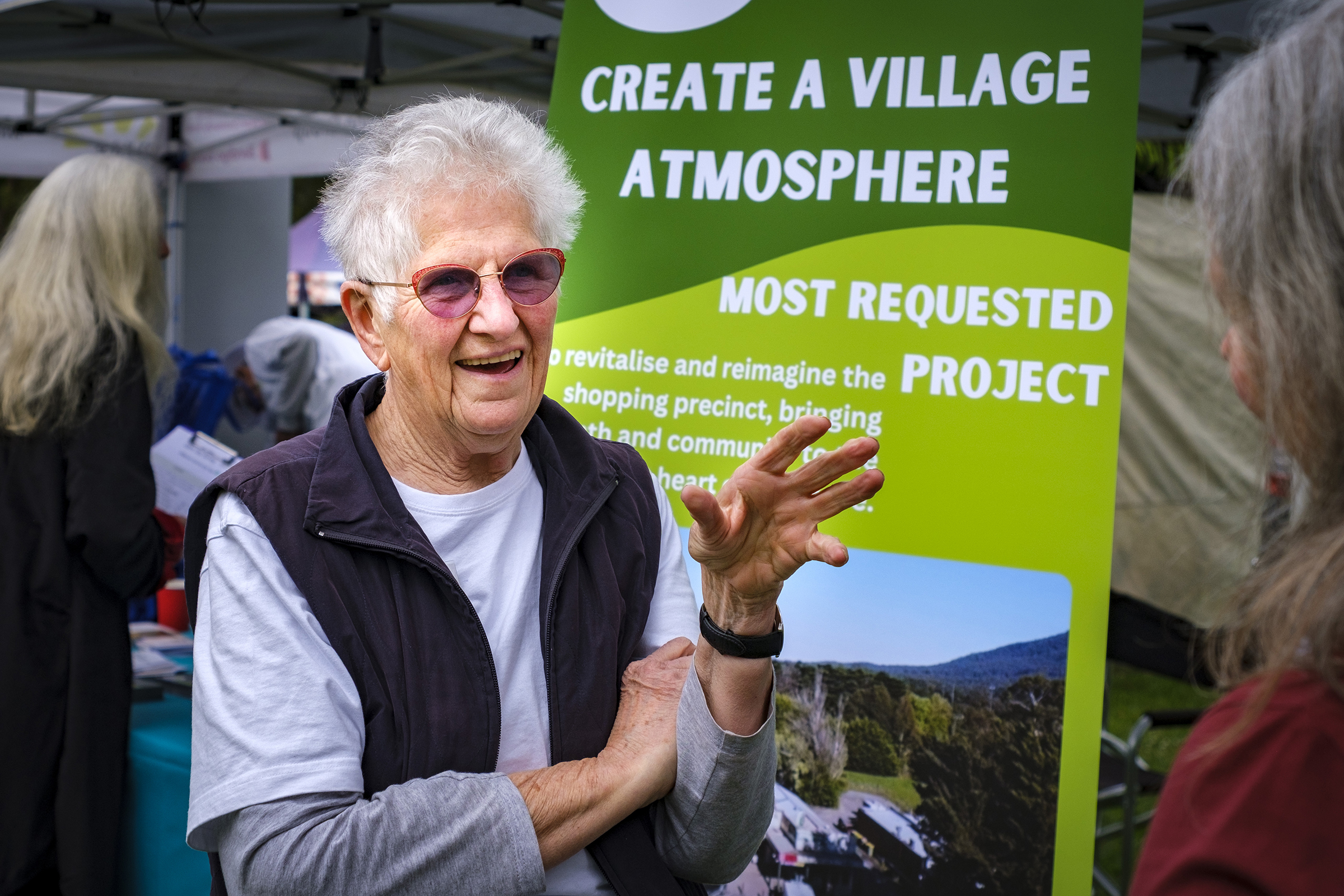
Photo credit: Eric Algra
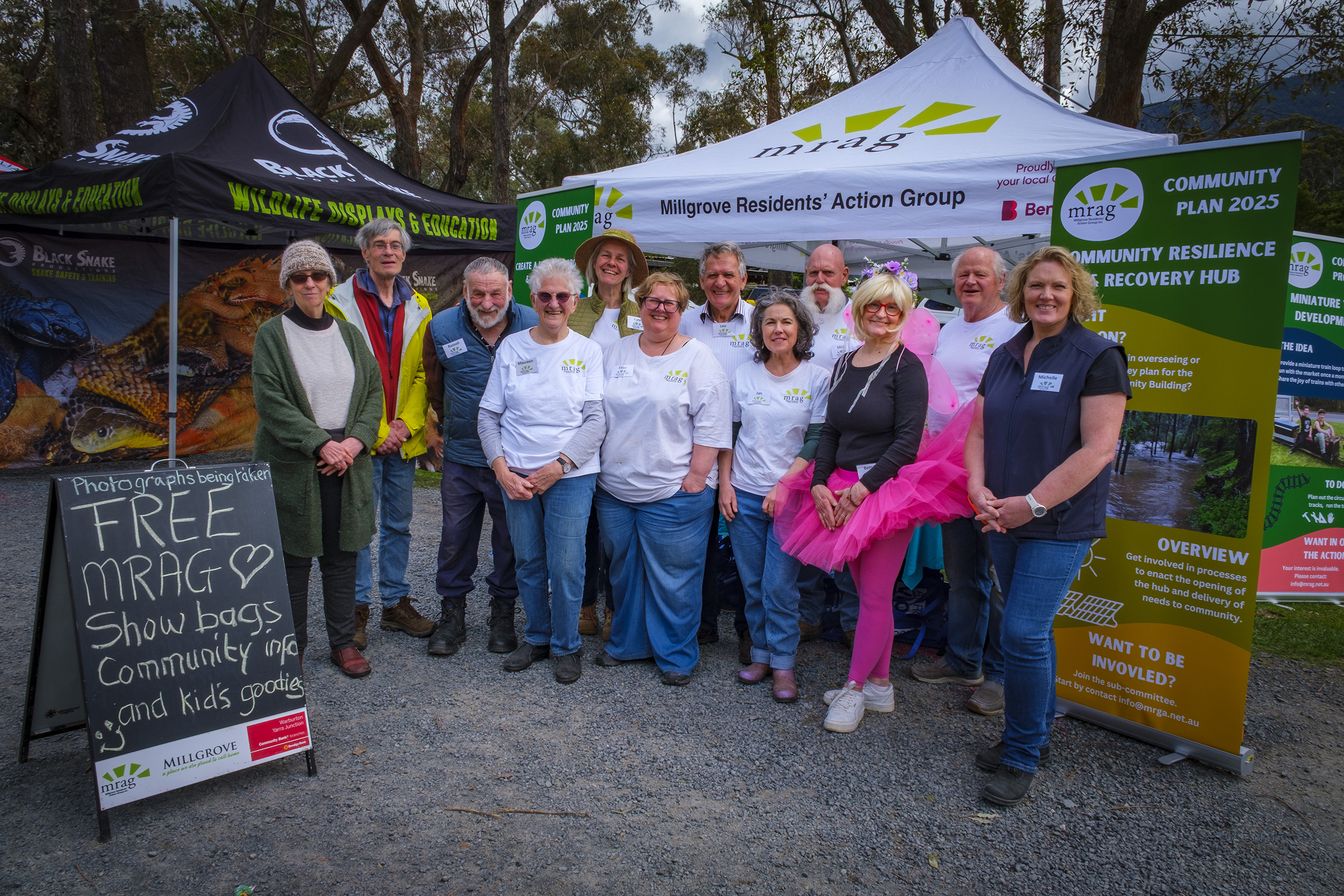
Photo credit: Laura Purcell
Photo credit: Eric Algra
But in 2019, despite hesitations and questions and feeling daunted by the project, MRAG linked up with The Resilience Canopy. By embracing our community-led resilience approach, MRAG progressed through the Six-Step Model and slowly felt empowered to transform their community.
“When you have trust in people, the mindset changes from surviving a disaster to building an empowered and safe community,” says Maureen.
They engaged the broader community, formed a Resilience Plan containing nine community priorities, and set about actioning them.
“Joining The Resilience Canopy wasn’t just another project; it has become one of the most defining chapters of my life.”
- Maureen
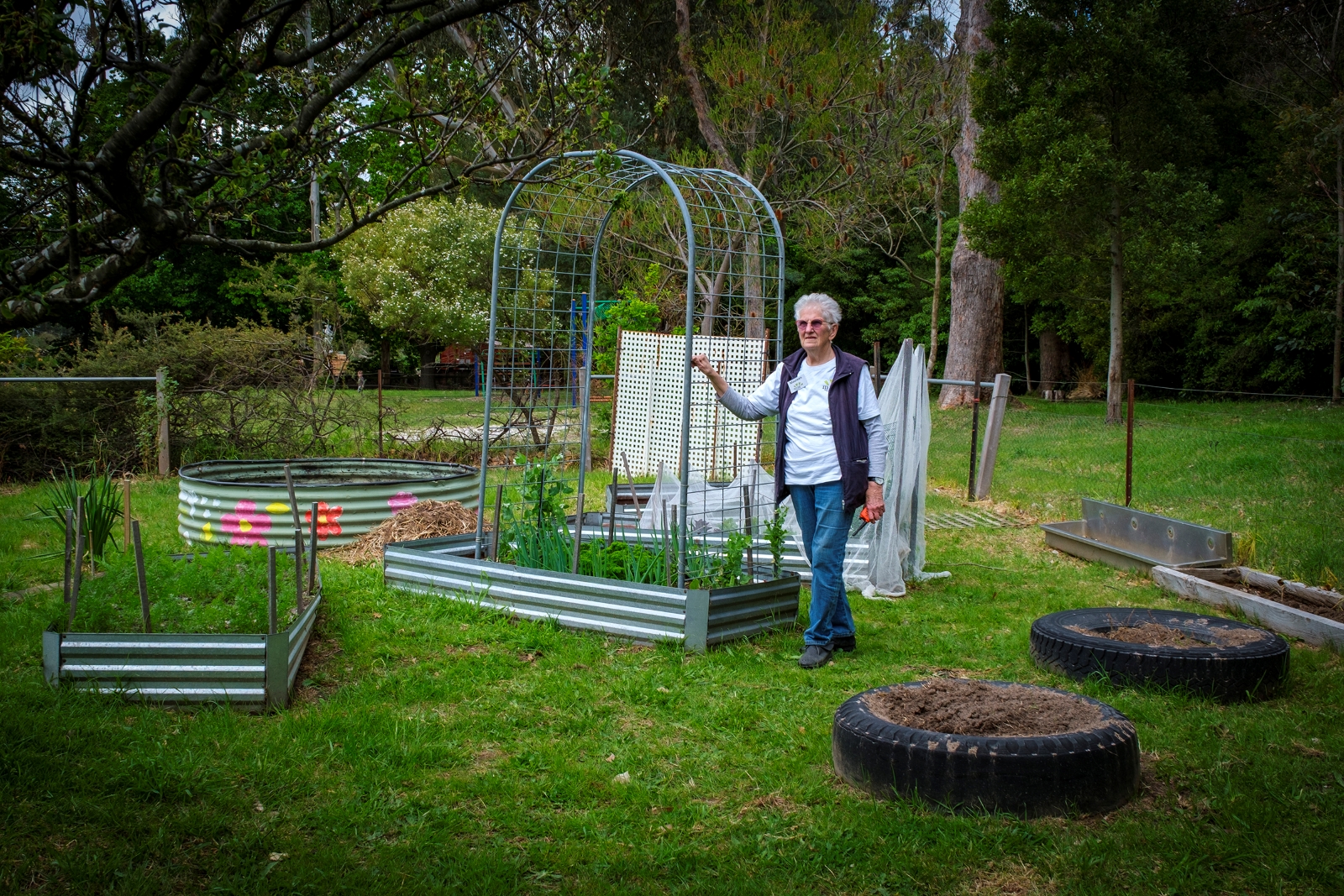
Photo credit: Eric Algra
The results speak for themselves: more than $1.18 million AUD in resilience initiatives so far, including:
- Defibrillators across community locations
- Renewable energy infrastructure development
- Enhanced emergency communication systems
- Community gardens with accessible design
- An annual Light Trail Show celebrating local history and future vision
Combine this $1.18M in cash, grants & donations with the 30,000 volunteer hours accrued, 38+ partnerships formed, 25+ projects completed, and 2,075 residents connected, and the estimated social, economic & disaster‑resilience value is $19M!
But for Maureen, it’s about more than these impressive numbers. “Community Power doesn’t start with power lines or solar – it starts with connection. We have built community relationships that no disaster can tear down.
“We never really knew what resilience was,” she continues. “We thought it was about surviving fire, flood and storm. We now know that it’s about how you treat each other every single day.”
After the 1967 bushfires destroyed the previous building, the Zoe Community School was built in the foothills of Kunanyi/Mount Wellington in Ferntree, Tasmania. It was inspired by the Summerhill School’s alternative education beliefs, which encouraged children to be autonomous and to develop their own way of thinking, being, creating.
Flick was one of its students. She recalls a very creative curriculum, packed with theatre, woodworking and nature play.
When the school closed in the mid-90s, a group of ex-Zoe students created an incorporated group to care for the building, hoping to open a similar school again. But battling regulations and resourcing, the building morphed organically, into an arts hall, a dwelling for forest activists and creative families, an anarchist library… a lot of different incarnations. It fell into a state of disrepair.

Photo credit: Aaron Horsley

Photo credit: Laura Purcell
One fateful day in 2023, Flick happened to attend an AGM where they were discussing the future of the building. The equation was simple: sell the site unless someone wants to do something with it.
“I had just come out of doing some deep nature connection training, and because I've worked a lot with children and always done creative practises with kids, I was inspired to try and get some kind of nature school programme happening,” says Flick. “So I took it on, without fully realising how much work there was to do on the building.”
Flick has spent two and a half years fixing the place up. She has worked with builders on the floors that had fallen out. But she has also learned and undertaken a lot of the repairs herself. To say she has put in the hours would be an understatement.
“It’s about looking for ways to find the medicine we need for our times,” Flick says. “I feel like Zoe Dojo offers a path that is a path forward or a way to find ways of being and healing and creating.”
- Flick

Photo credit: Emily Ashley Turner
Flick’s vision for Zoe Dojo is for it to honour the legacy of the school – alternative learning, radical creativity, nature, connection – and at the same time answer the call of what the world is needing: a place to gather, grow, and co-create across generations, where art, nature, and care can weave together and nurture the regeneration of people, place, and culture.
Since Flick took over, Zoe Dojo has grown into a grassroots arts and wellness collective that supports each other, through workshops, events and therapeutic practices all grounded in creativity, connection, and a deep respect for the earth…
23 alternative practitioners have come through the space offering everything from Māori cultural medicine to breathwork, tea ceremonies to craniosacral therapy. There have been seasonal residencies in the Mountain Studio. A group of older meditators use the space on Monday evenings. A shamanic group do their journeys there.
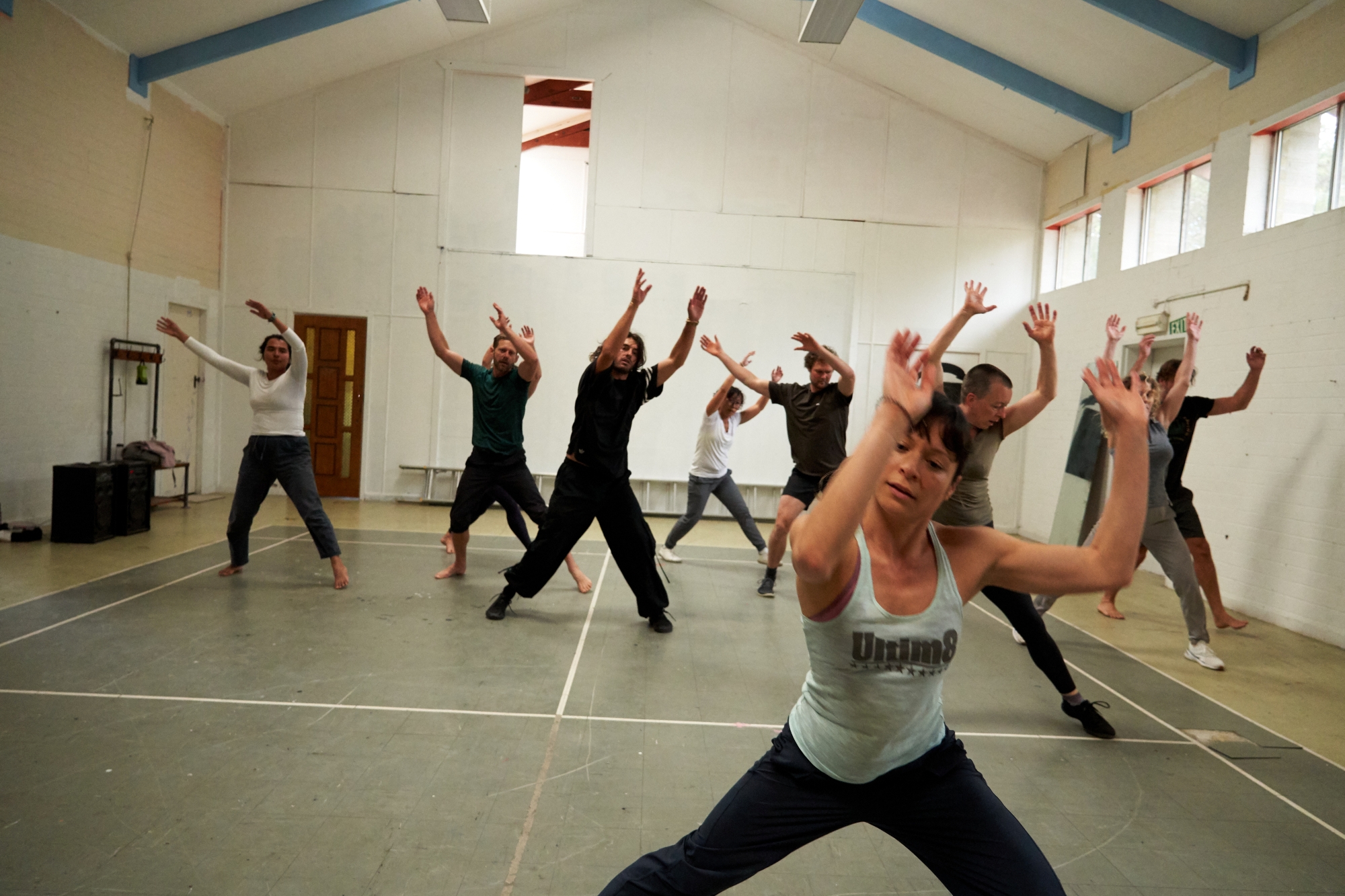
Photo credit: Ryan Altman
Flick refers to the process so far as ‘emergent’ and ‘pretty cosmic’.
“There have been times when it's been in a real flow. I'll just think who I need or what sort of support I need and that person comes in at the right time and then this thing is happening. Like, ‘Oh, we need someone who can paint a mural’. And all of a sudden, the exact right person happens to be in Tasmania.”
Connecting with The Resilience Canopy may be the latest in the line of ‘pretty cosmic’ happenings. By taking a ride through our Six-Step Community Engagement Model, Flick and Zoe Dojo plan to build on their momentum.
According to Flick, Ferntree has a large neurodiverse population, as well as elderly people, families, and a few recluses. Most people really value nature. She believes Zoe Dojo can support and benefit the whole community.
One way is for the Mountain Studio to keep supporting alternative practitioners who are generally not as well resourced, especially when they've just come out of training and don't have a big client base. This keeps their fees lower, which means their services are more accessible to the community, and it enables them to gently grow.
Flick has also been in conversation with some homeschool parents (Tasmania's home-schooling enrolments have surged by over 50% since 2018, and they are the only Australian state with over 1% of students being homeschooled) around creating affordable spaces where kids can come and learn and be creative, and families can come for support.
With the Canopy’s support (and the help of those cosmic forces), Flick plans to establish a committed core group to handle the governance side of things and enable more ripples, like getting some of the kids’ programmes going, providing studio space to help groups create, adding more artist residencies, and of course the upkeep: fixing the deck, the roof.
Despite the constant financial struggles and risk of emotional burnout, Flick is excited to keep developing Zoe Dojo’s ecosystem of arts and wellbeing and learning and intergenerational components, where people of different ages support each other and work together.
“The next chapter is starting to emerge,” she says. “There are new shoots happening!”
Read more about Flick and Zoe Dojo here.

Photo credit: Laura Purcell

These three community practitioners may be focused on different missions and be at different stages of their resilience journeys, but they share interesting parallels. All three advocate for stronger connection. All three care deeply about their communities. And all three are being supported by The Resilience Canopy.
If your interest has been piqued and you’d like to get behind one of these communities, or get behind the Canopy so we can reach more inspiring people like these, get in touch with us here.


