Intro
There are now well over 300 Resilience Canopy Practitioners across Australia, equipped with the skills, resources, and connections to support their communities to become more resilient.
Peter from Marong is one of them.
There are now well over 300 Resilience Canopy Practitioners across Australia, equipped with the skills, resources, and connections to support their communities to become more resilient.
Peter from Marong is one of them.

Peter has lived a fulfilling life so far. “My whole life has been fun,” he admits.
After a distinguished, two-decade stint in the military, Peter decided to go to university for the first time. 11 years later, he had two master's degrees and a PhD. Along the way, he started teaching undergraduates and postgraduates, a role he would continue long after his studies had ended.
During his PhD, he was fortunate enough to deliver his research papers globally, including in Malaysia, the US, the UK, India and New Zealand. His subsequent teaching posts included China and the Middle East. It’s a good thing he loves to travel.
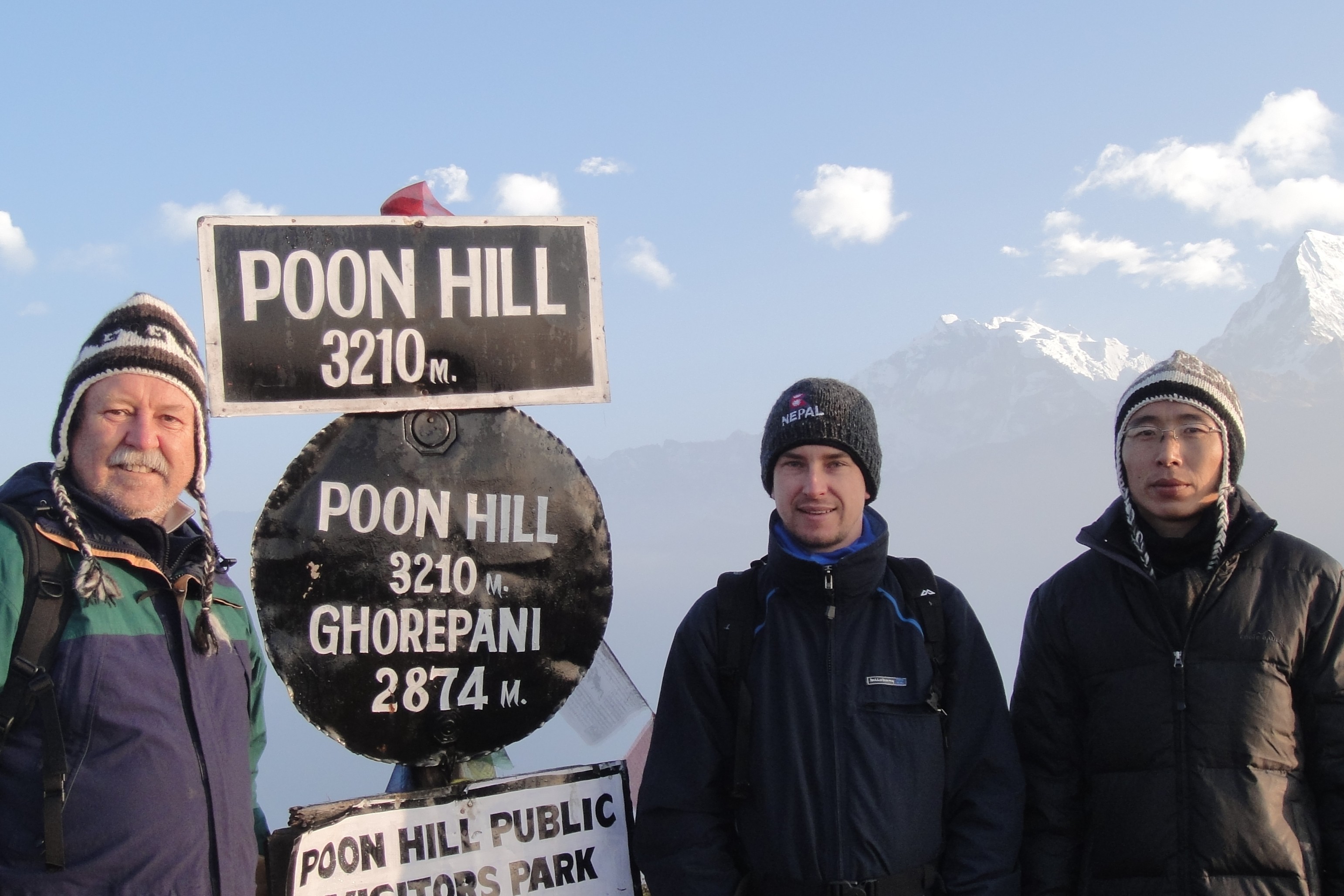
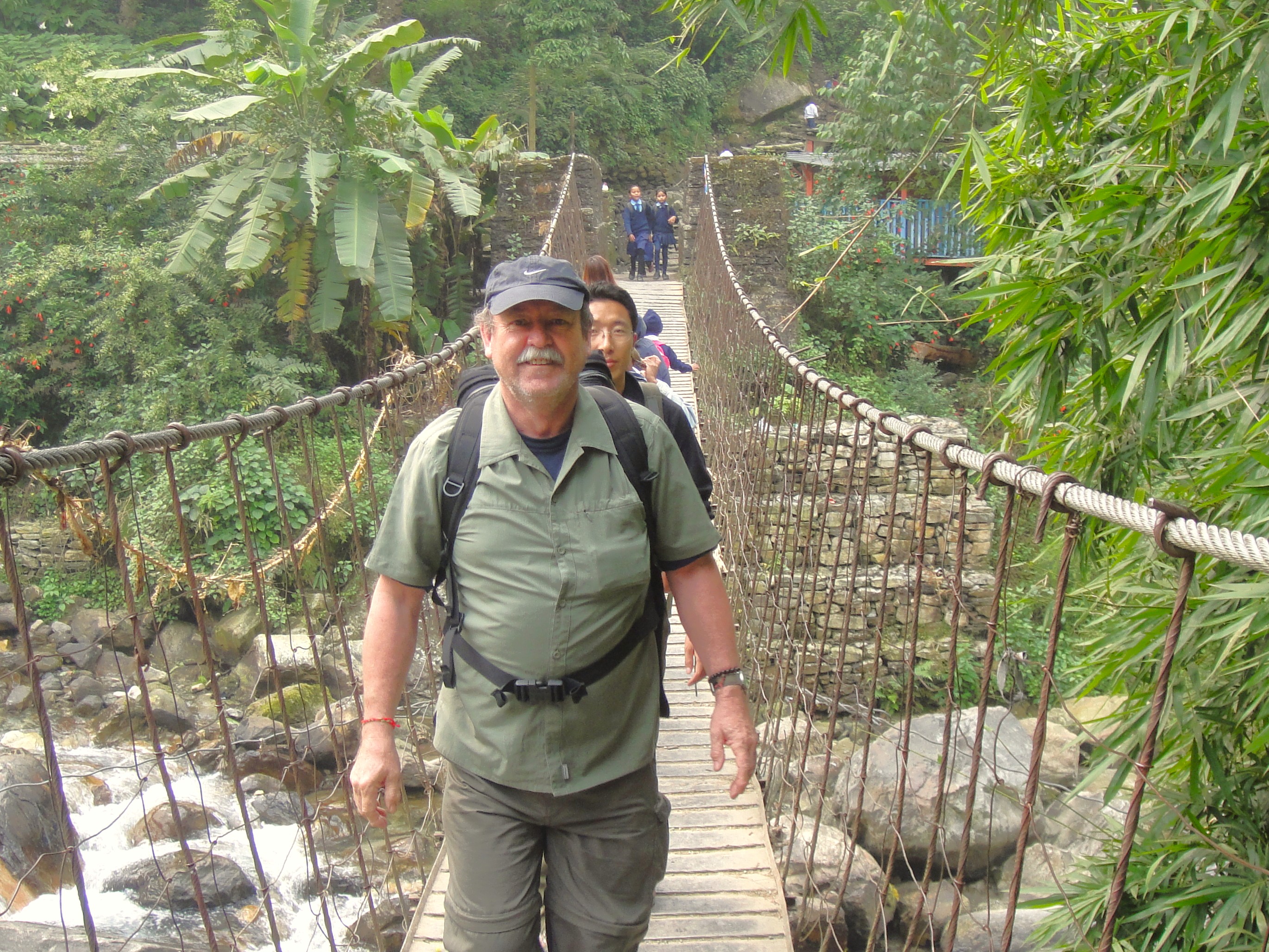
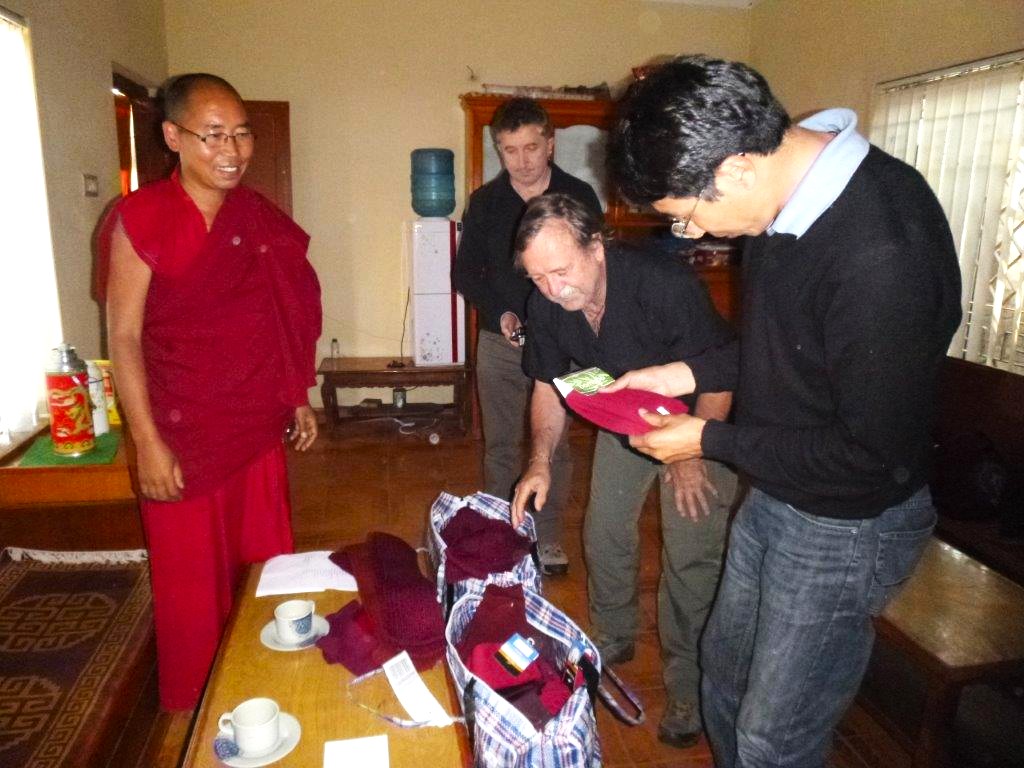
It was this wanderlust that led him to Nepal, where he developed a close affinity with a particular monastery. He began heading over there at least once a year to help with fundraising projects, assist the local community, and do some trekking with friends.
But on one such trip in 2014, Peter had a serious medical episode. He was put on life support for 18 days and had to be evacuated to New Delhi.
Since then, Peter has stuck closer to home. But his desire to make a difference remains steadfast.

Peter and his wife Kerrin haven’t always lived in Marong. They used to live on a three-acre property on the outskirts of Melbourne. But rampant development in adjoining communities left them feeling like they were living in suburbia, not the nice country town they had moved into originally.
“Everything was just becoming a pain in the backside, so we decided to plan early,” says Peter.
Initially, they struggled to agree on a place. “I thought Albury Wodonga, she thought Warrnambool or Portland. Then I thought Bendigo, she thought Ballarat,” Peter laughs.
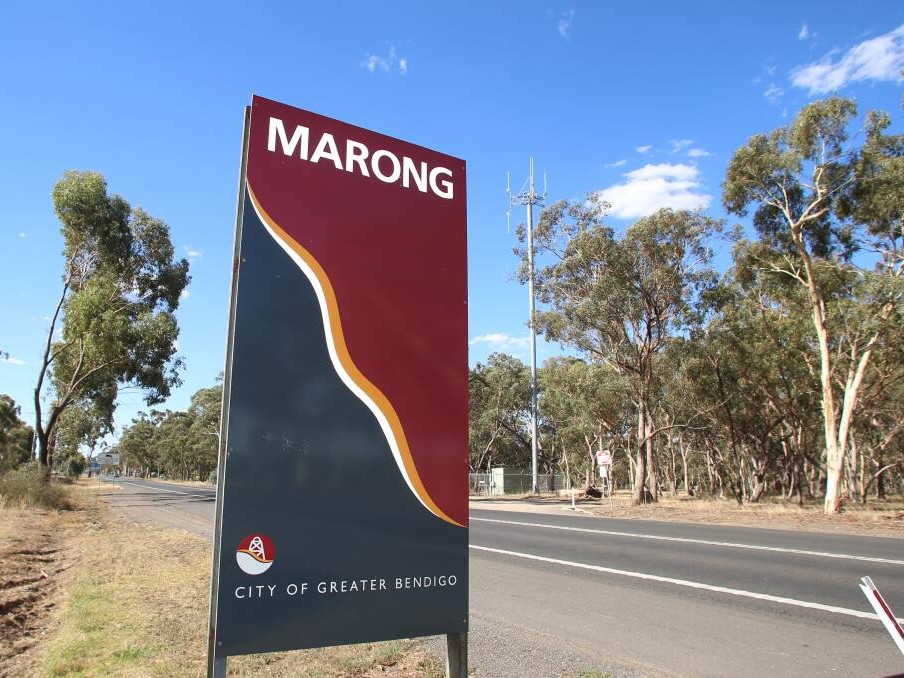
But one fateful day trip to the Bendigo Art Gallery changed all that. Kerrin saw lovely blocks of land for sale in Marong, a town 15 kilometres out of Bendigo. The rest, as they say, is history.
They moved up to their new home just before the Covid lockdowns. And since they didn’t know anyone, they soon went looking for ways to meet people and get involved in their new community.
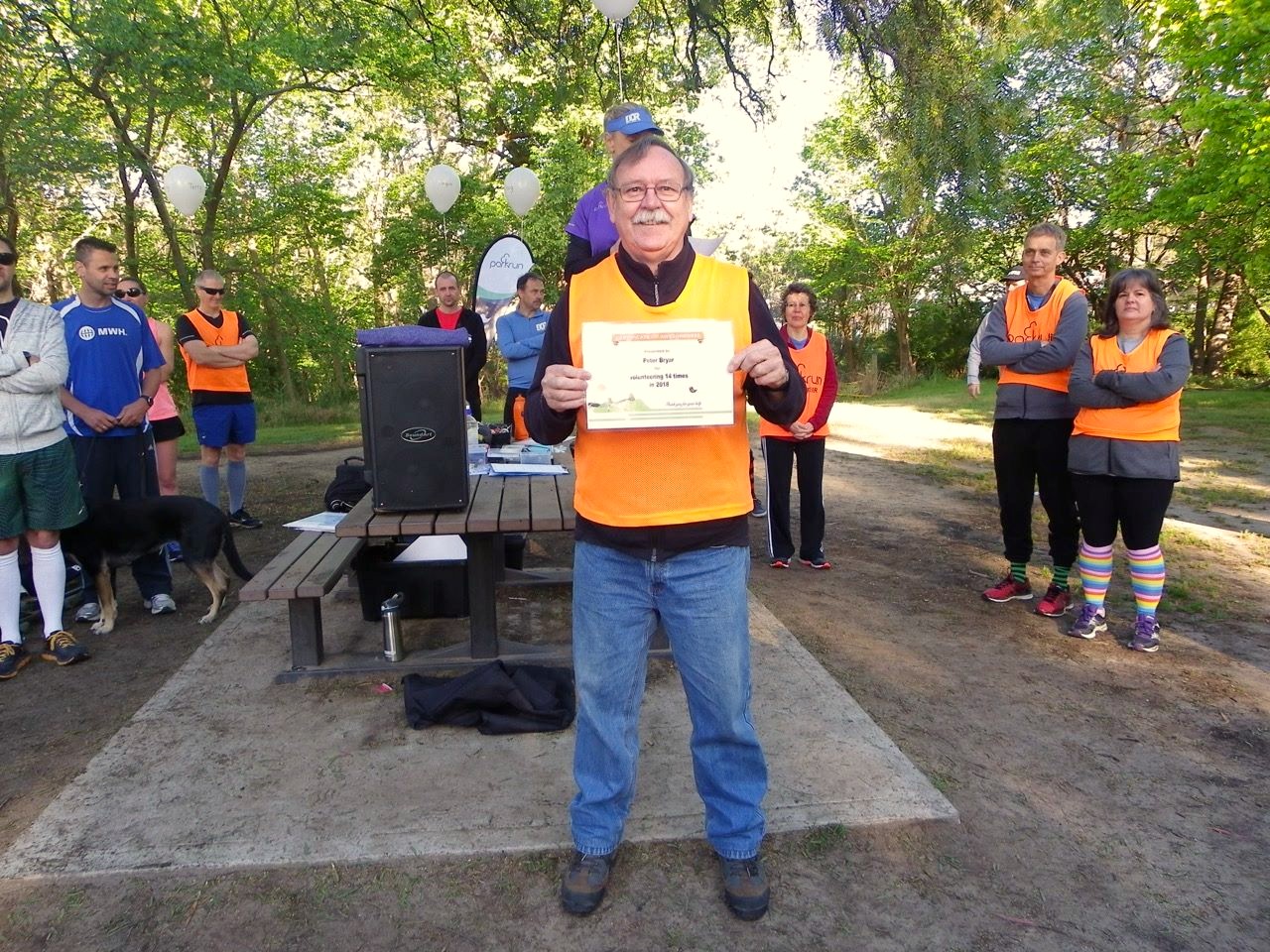
For Peter, this meant joining the local Lions Club and volunteering at the community garden at the Neighbourhood House (of which he’s now the President). He is also a run director with Park Run and has been the community safety coordinator for the local CFA branch for the last 18 months.
But it’s his involvement with the Marong Community Action Group (MCAG) that led him to be introduced to The Resilience Canopy.
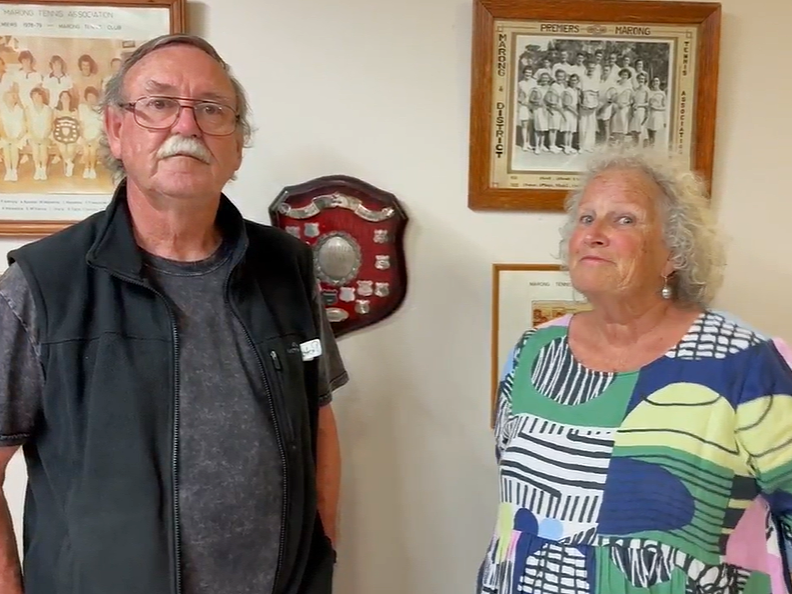
Peter and Heather during one of the MCAG community resilience workshops.
"I like the idea that as a practitioner, you're keeping things on the straight and narrow. You're not necessarily directing or guiding or whatever. You're letting things flow. Because it's very much community based and my model of leadership has always been to let the situational leaders come out."
— Peter, MCAG member
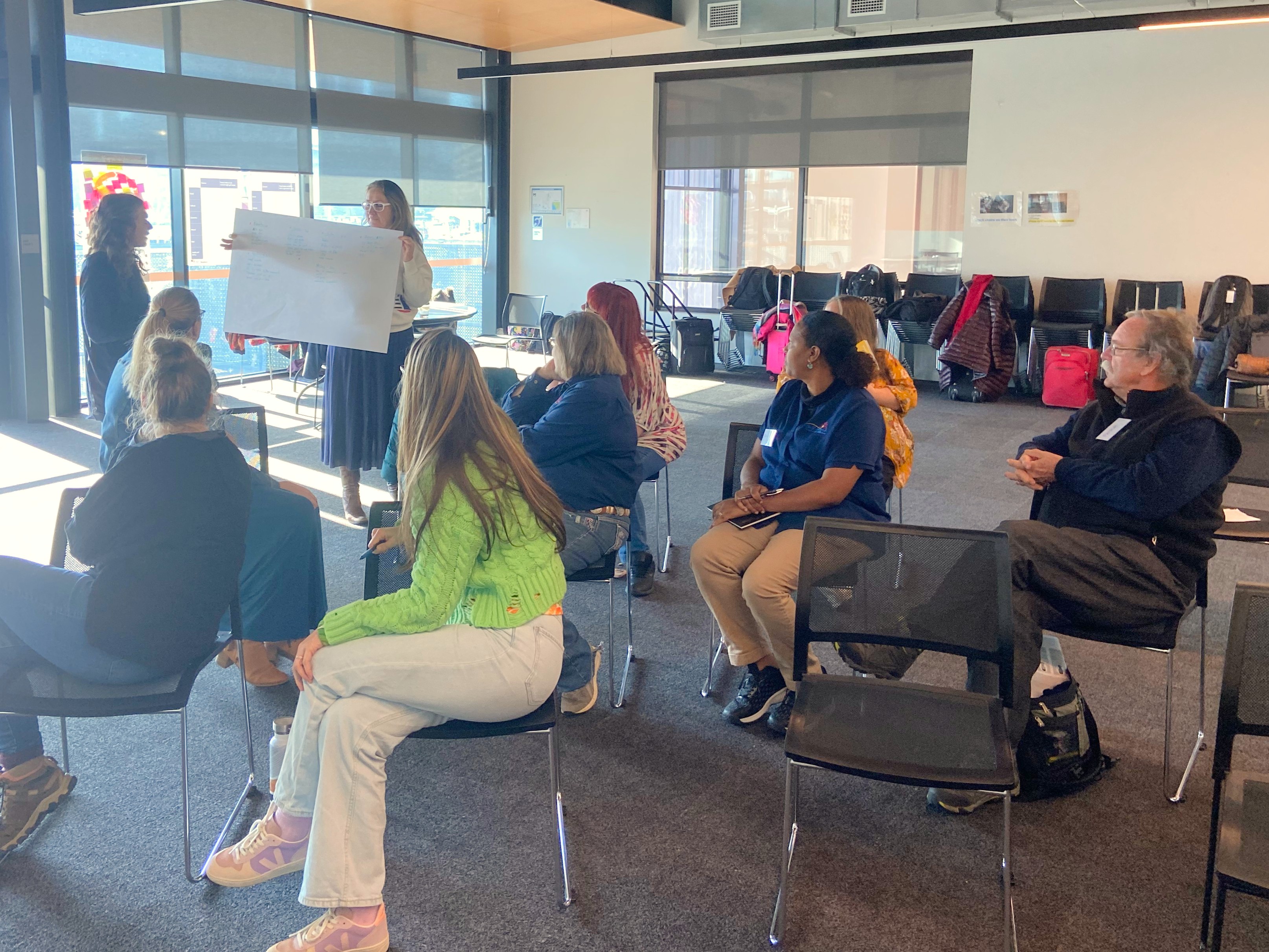
“When [MCAG president] Heather talked about the Practitioner Training she’d done in 2023, I thought it sounded interesting,” Peter recollects.
He was keen to learn more, so he decided to attend our four-session, capacity-building Practitioner Training program in Melbourne in May 2024.
He left as a Resilience Canopy Practitioner, complete with community engagement skills, resources and support to help him guide his community to deepen their connections and be better prepared for whatever the future brings.
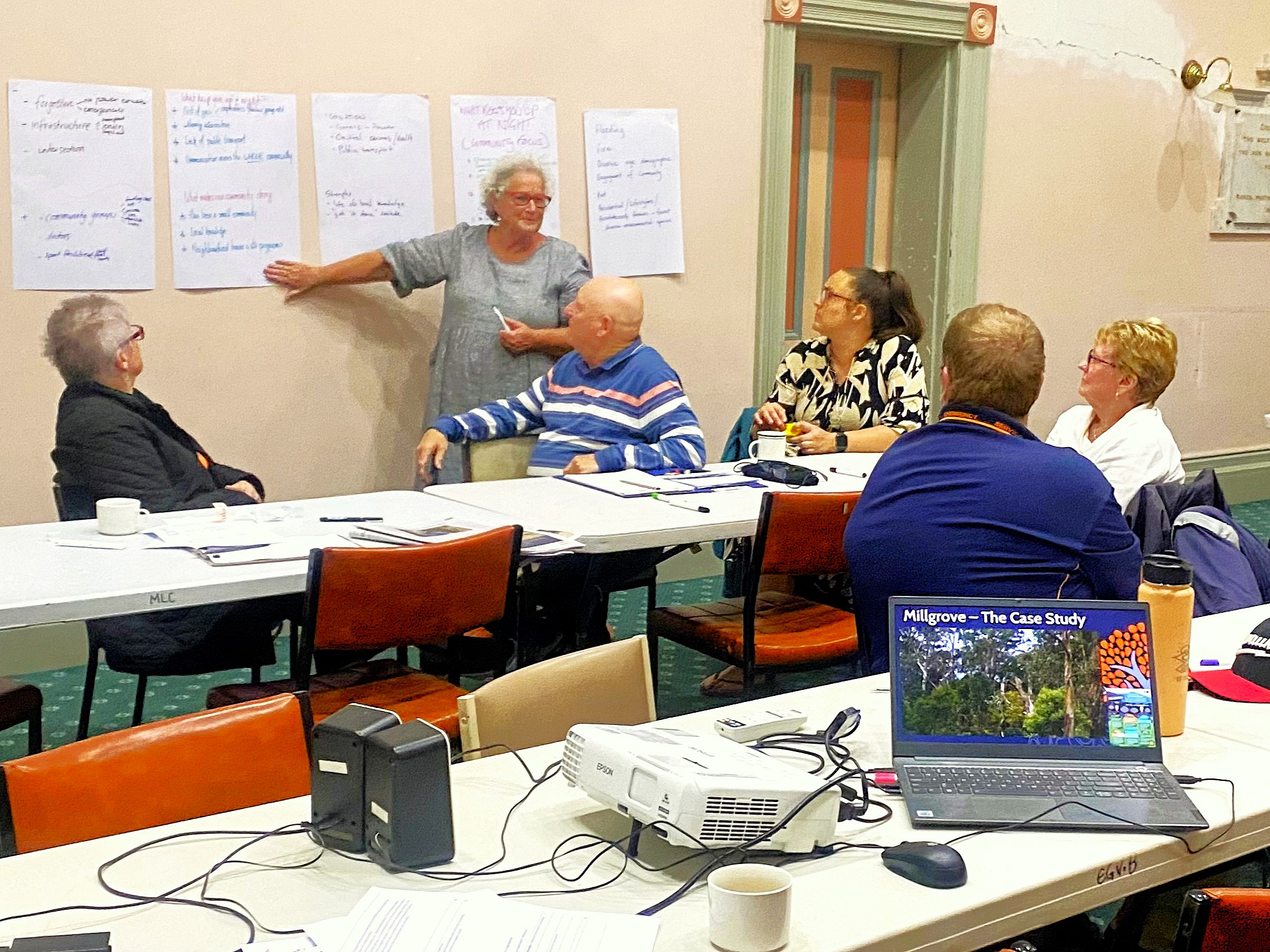
In the 18 months since Peter completed the training (with flying colours, we might add), he has helped facilitate Marong’s immersive Deep Dive workshops, spending time with its diverse community members and hearing what they have to say, what their priorities are, having constructive discussions.
Their first community engagement Deep Dive session attracted more than 50 locals – roughly 2.5% of the 2,000-strong population!
Peter attributes this impressive turnout to people in MCAG being involved in other aspects of the community. “It wasn't the advertising that got people along, it was more the word of mouth and the encouragement, ‘love to see you there’, ‘come and talk about this’.”

They have since held two more productive, inclusive Deep Dive sessions, which have covered key priorities, including fixing a dangerous intersection, organising community events like their annual Christmas carols (in 2024, this attracted 500-600 people), and a desire to improve Marong’s public transport networks.
These community sessions have given Peter an opportunity to reflect on the role.
“I like the idea that, as a Practitioner, you're keeping things on the straight and narrow. You're not necessarily directing or guiding or whatever. You're letting things flow.”
He also likes our emphasis on helping communities make their own decisions, to lead the process themselves and feel empowered.
“The Resilience Canopy model is very community based and my model of leadership has always been to let the situational leaders come out. I'll try and encourage them and support them... It’s great when the community moves ahead and you've helped facilitate that, been the conduit.”
Peter and MCAG have been aided by their local council. The City of Greater Bendigo has enabled five community members from towns across the region (Peter included), and two council members, to complete our training.
“The City of Greater Bendigo have been a great help to our community action group,” says Peter. “They support everything.”
Crucially, this has created a shared knowledge and understanding between Marong’s community group and the council about resilience building, such as our Six-Step community engagement model and our emphasis on Connection, Respect, Empowerment and Wisdom (CREW).
And because community members in nearby towns also completed our Practitioner Training, Peter and the MCAG members make a concerted effort to include them in their resilience efforts too.
“Whenever Marong is doing something, we invite those practitioners who were on our course. Some of them are nearly ready to start, some are still thinking about it, so what we always say is: ‘We're in it together, we'll help each other. If it's your community, you will lead but we'll come and help. If it's our community, we'll lead and you can help us’. And the couple of things we've done have been really good.”
Despite these numerous benefits, Peter admits that being a practitioner can have its challenges too.
“In some ways, we're moving at the pace of the slowest. But we've had a number of obstacles put in the way. And we're a community the size that we can really only focus on one thing at a time.”
One major obstacle Marong has been battling for some time is their embedded gas network.
As embedded systems are unregulated, the cost of gas in Marong has skyrocketed; residents pay somewhere between 180%-250% more than what it costs in Melbourne. In winter, families can pay $1,000 a month just for heating and cooking.
Residents have been informed that their gas supply will be cut off next year (2026), which has caused panic in the community; households will need to convert to LPG or electricity, both of which are unaffordable for many. The battle is ongoing.
“We were planning our next community session when the gas crisis occurred and that put things off the rails,” says Peter. “MCAG has organised an expo to provide the community with information. Once the gas issue is out the way, things will move along a bit more quickly.”
In the six years since he moved to Marong, Peter has become a very loyal member of the community. He loves the town.
“Marong isn’t looking to be Bendigo, we’re looking to stay rural,” he says proudly. “If you walk down the road or if you drive, every second person is waving at you, saying hello, and that's really nice.”
Peter is excited to continue building on the networks, relationships, assets and capacities that are already there to help Marong become a stronger community.
One of his next focuses is on engaging more of the community and giving them a voice, especially younger people.
As for anyone thinking about becoming a Resilience Canopy Practitioner, Peter has this to say:
“Come to the Practitioner Training, not with the idea of taking over [your community] and being the leader, but to learn how to be the facilitator, encourager, empowerer.”
~
Want to know more about Marong? Read our case study on how Marong joined the Canopy movement, or keep up-to-date with Marong’s resilience journey on their Canopy Community profile page.